
Introduction
Diwali, also known as Deepavali, is one of the most important and widely celebrated festivals in the world. Known as the Festival of Lights, Diwali symbolizes the victory of light over darkness, good over evil, and knowledge over ignorance. Celebrated mainly in India but also across many countries, Diwali brings joy, hope, and positivity.
This article explains the meaning, history, significance, traditions, and global celebrations of Diwali in a detailed.
What Is Diwali?
Diwali is a major Hindu festival celebrated with lamps (diyas), candles, fireworks, prayers, and festive meals. It usually falls between October and November and lasts for five days, each with its own significance.
While Diwali is primarily a Hindu festival, it is also observed by Jains, Sikhs, and Buddhists, making it a truly inclusive global celebration.
Meaning of Diwali
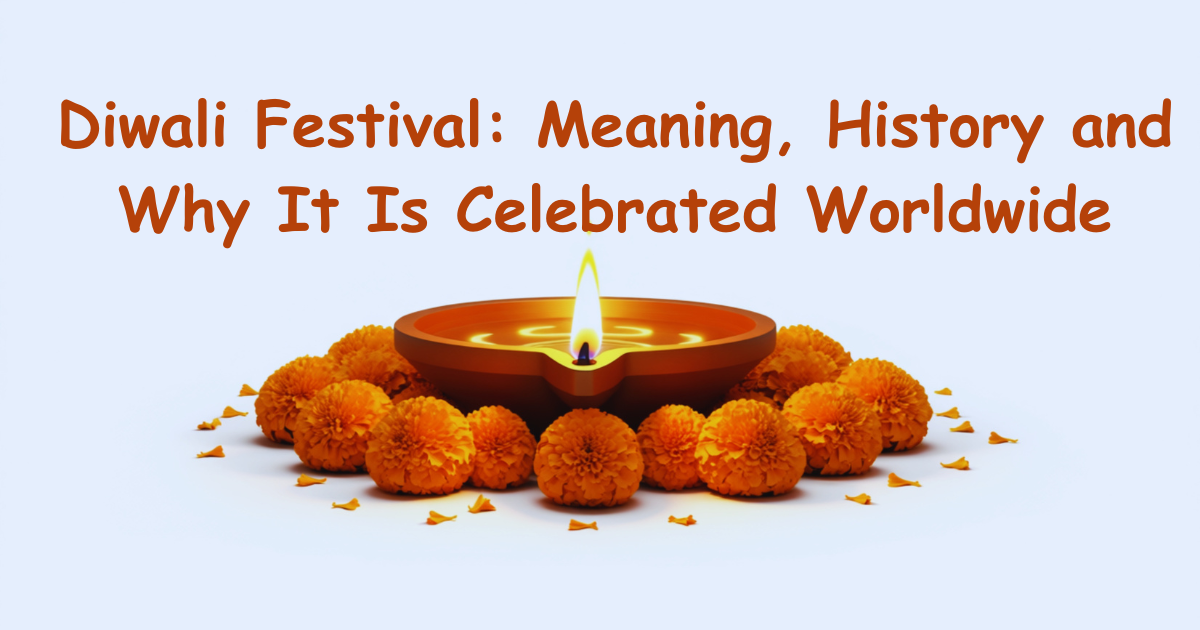
The word Diwali comes from the Sanskrit term “Deepavali”, meaning a row of lights. Lighting diyas represents the removal of darkness and negativity from life and the welcoming of happiness, prosperity, and wisdom.
Diwali teaches values such as truth, kindness, gratitude, and togetherness.
History and Origin of Diwali
Diwali has different historical and religious origins across regions:
Return of Lord Rama
In most parts of India, Diwali celebrates the return of Lord Rama, Goddess Sita, and Lord Lakshmana to Ayodhya after 14 years of exile and the defeat of Ravana.
Goddess Lakshmi
Diwali is also associated with Goddess Lakshmi, the goddess of wealth and prosperity. Devotees believe she visits clean and well-lit homes during Diwali.
Jain Tradition
For Jains, Diwali marks the nirvana (liberation) of Lord Mahavira.
Sikh Significance
For Sikhs, Diwali commemorates Bandi Chhor Divas, celebrating the release of Guru Hargobind Ji.
Why Is Diwali Celebrated?
Diwali is celebrated to:
- Celebrate victory of good over evil
- Welcome prosperity and happiness
- Strengthen family and social bonds
- Promote hope, positivity, and renewal
The festival encourages people to forgive, share, and begin anew.
Significance of Diwali
Spiritual Significance
- Encourages self-reflection and inner light
- Symbolizes spiritual awakening
- Promotes faith and devotion
Social and Cultural Significance
- Brings families together
- Encourages charity and sharing
- Preserves traditions and values
Economic Significance
- Boosts local businesses
- One of the biggest shopping seasons
Five Days of Diwali and Their Meaning
Dhanteras
Celebrates wealth and health
Naraka Chaturdashi (Chhoti Diwali)
Marks the defeat of evil forces
Lakshmi Puja (Main Diwali)
Worship of Goddess Lakshmi
Govardhan Puja
Celebrates gratitude and nature
Bhai Dooj
Honors the bond between brothers and sisters
Diwali Traditions and Rituals
- Cleaning and decorating homes
- Lighting diyas and candles
- Performing Lakshmi Puja
- Exchanging gifts and sweets
- Bursting fireworks (in moderation)
How Diwali Is Celebrated Around the World
India
- Grand celebrations with lights, prayers, and fireworks
Nepal
- Celebrated as Tihar
- Honors animals and nature
United Kingdom
- Community events and cultural programs
United States & Canada
- Celebrated by Indian diaspora
- Public Diwali events in major cities
Southeast Asia
- Celebrated in Singapore, Malaysia, and Sri Lanka
Modern Diwali Celebrations
In recent years, Diwali celebrations focus on:
- Eco-friendly diyas
- Reduced noise and pollution
- Digital greetings and virtual celebrations
Interesting Facts About Diwali
- Diwali is celebrated by millions worldwide
- It is one of the oldest festivals still celebrated today
- UNESCO recognizes Diwali-related traditions
Frequently Asked Questions (FAQs)
Is Diwali a public holiday?
Yes, Diwali is a public holiday in India and several other countries.
Is Diwali only a Hindu festival?
No, it is celebrated by multiple religions.
Why are lights important during Diwali?
They symbolize hope, positivity, and knowledge.
Importance of Diwali in Today’s World
Diwali reminds people to:
- Spread positivity
- Choose good over evil
- Live with gratitude and compassion
Its message remains relevant across cultures and generations.
Conclusion
Diwali is more than just a festival—it is a celebration of light, hope, and unity. With deep historical roots and worldwide celebrations, Diwali continues to inspire joy, generosity, and togetherness. By celebrating Diwali, people across the globe reaffirm the timeless values of goodness, peace, and prosperity.